 Reviews


 Proudly American


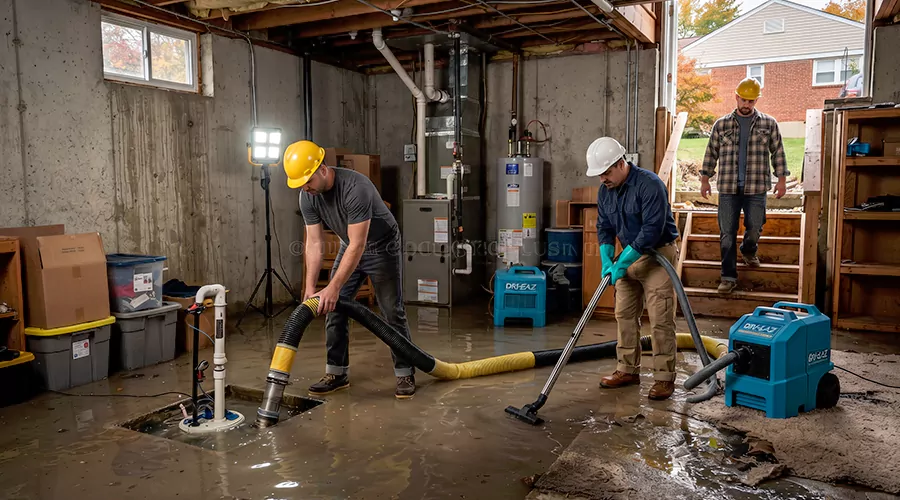
Flooded basement cleanup cost typically ranges from $2,000 to $7,000 in 2026, with a national average near $4,000. Cleanup commonly costs about $3 to $7 per square foot, although contaminated water or extensive damage can push the total above $15,000.
The amount of water isn't the only factor that affects price. A finished basement usually costs more to clean because carpet or drywall can absorb water. The water source also matters because sewage and groundwater require more extensive cleanup.
Early water removal can limit how much material needs to be removed later. Waiting can turn a straightforward cleanup into a larger drying or reconstruction project.
What Is the Average Flooded Basement Cleanup Cost?
A typical flooded basement costs about $4,000 to clean up in 2026, with most projects falling between $2,000 and $7,000. Current national pricing also places extraction with drying and sanitizing around $4 to $12 per square foot depending on contamination.
A basic planning range looks like this:
| Basement Size | Typical Cleanup Cost |
|---|---|
| 400 sq. ft. | $1,600 to $4,800+ |
| 500 sq. ft. | $2,000 to $6,000+ |
| 600 sq. ft. | $2,400 to $7,200+ |
| 800 sq. ft. | $3,200 to $9,600+ |
| 1,000 sq. ft. | $4,000 to $12,000+ |
These ranges include water extraction with drying and sanitizing. Major reconstruction can add more after the basement is dry.
Basement flood clean up becomes less expensive when water remains limited to bare concrete. A finished basement can involve multiple absorbent materials even when the water depth is only a few inches.
How Does the Type of Water Affect Cleanup Cost?
The type of water is one of the biggest price factors because contamination determines what can be cleaned and what may need removal. Clean water is the least expensive category. Gray water costs more while sewage or contaminated floodwater usually carries the highest cleanup price.
Current 2026 estimates show these broad ranges:
| Water Type | Typical Basement Cleanup Cost |
|---|---|
| Clean water | $1,500 to $3,500 |
| Gray water | $3,000 to $7,000 |
| Black water | $7,000 to $15,000 |
Clean water can come from a broken supply pipe. Gray water can come from certain appliance overflows.
Black water includes sewage and heavily contaminated water. It often requires greater material removal because porous surfaces can absorb contaminants.
Sewage cleanup in basement areas can therefore cost several times more than drying a clean-water leak of the same size.
Does a Finished Basement Cost More to Clean Up?
A finished basement usually costs more because water can damage carpet or insulation instead of remaining on bare masonry. Each wet material adds extraction or drying work. Some materials also need removal when they cannot be safely dried or cleaned.
An unfinished basement may have:
- Concrete flooring
- Exposed foundation walls
- Limited wall finishes
- Fewer absorbent materials
A finished basement may contain:
- Carpet and padding
- Drywall
- Insulation
- Cabinets
- Laminate flooring
- Baseboards
- Finished wall systems
For example, a few inches of clean water in an unfinished basement can sometimes remain below $3,000. A finished basement with widespread damage can move into the $6,000 to $15,000 range once material removal becomes necessary.
Basement restoration becomes more expensive once cleanup is followed by rebuilding. New flooring or drywall belongs to the repair phase rather than basic water extraction.
How Much Does Basement Water Removal Cost?
Emergency pump-out can cost about $300 to $2,000 in 2026 depending on water volume and access. This is only the initial removal phase. Structural drying and cleaning can add several thousand dollars after standing water has been extracted.
Basement flood water removal often includes:
- Pumping standing water
- Wet extraction
- Removing soaked materials
- Setting drying equipment
- Monitoring remaining moisture
Water removal basement costs rise when water is deep enough to require heavy extraction equipment. Access can also affect labor if equipment must travel through narrow stairs.
Removing visible water isn't the end of the job. Moisture can remain inside walls or under flooring after the basement floor appears dry.
How Much Does Cleanup Cost by Water Category and Basement Size?
Cleanup can range from about $1,600 for a small clean-water loss to more than $12,000 for a large contaminated basement. The same square footage can produce very different bills because black water requires more cleaning and material removal than clean water.
Current national estimates provide a useful comparison:
| Basement Size | Clean Water | Gray Water | Black Water |
|---|---|---|---|
| 400 sq. ft. | $1,600 to $2,400 | $2,400 to $3,600 | $3,600 to $4,800+ |
| 500 sq. ft. | $2,000 to $3,000 | $3,000 to $4,500 | $4,500 to $6,000+ |
| 600 sq. ft. | $2,400 to $3,600 | $3,600 to $5,400 | $5,400 to $7,200+ |
| 800 sq. ft. | $3,200 to $4,800 | $4,800 to $7,200 | $7,200 to $9,600+ |
| 1,000 sq. ft. | $4,000 to $6,000 | $6,000 to $9,000 | $9,000 to $12,000+ |
These figures cover extraction with drying and sanitizing. They don't include major reconstruction.
Basement water cleanup pricing therefore makes more sense when both square footage and contamination are known.
What Extra Costs Can Follow a Basement Flood?
Additional costs appear when water damages materials that cannot simply be dried in place. Flooring or drywall replacement can add hundreds or thousands of dollars. Mold treatment can also become a separate expense when moisture remains long enough for growth to develop.
Current 2026 planning ranges include:
| Additional Work | Typical Cost |
|---|---|
| Initial inspection | $100 to $500 |
| Pump-out | $300 to $2,000 |
| Flooring replacement | $1,000 to $5,000 |
| Drywall replacement | $500 to $2,500 per room |
| Insulation replacement | $400 to $1,200 |
| Baseboard replacement | $200 to $800 |
| Cabinet work | $800 to $3,500 |
| Mold remediation | $500 to $6,000 |
| Sump pump installation or replacement | $600 to $2,000 |
These ranges help explain why two flooded basements can receive very different estimates. (Angi)
Basement water damage cleanup can also expose damage that wasn't visible during the initial inspection. Flooring removal may reveal wet subflooring while drywall removal can expose saturated insulation.
How Does the Cleanup Cost Progress if Water Sits Longer?
Cleanup often becomes more expensive as water continues soaking into porous materials. Early extraction can limit damage to flooring or lower walls. Delayed response allows moisture to reach deeper layers and can increase the chance that more materials need removal.
A general progression looks like this:
| Damage Stage | Typical Condition | Likely Cost Level |
|---|---|---|
| Early | Small clean-water area | $1,500 to $3,000 |
| Moderate | Finished materials become wet | $3,000 to $7,000 |
| Advanced | Several building materials affected | $5,000 to $10,000 |
| Severe | Contaminated water or major tear-out | $7,000 to $15,000+ |
| Extensive | Mold plus reconstruction | Can exceed $15,000 |
The exact timeline depends on material type and indoor conditions. However, wet building materials should generally begin drying within the first 24 to 48 hours when possible.
Basement water mitigation becomes more involved once moisture travels behind finished walls. A shallow flood that covers an entire basement can therefore cost more than deeper water contained in one unfinished area.
How Much Does Mold Add to a Flooded Basement Bill?
Mold remediation can add about $500 to $6,000 to a flooded basement project in 2026. The amount depends on the affected area and how much material has to be removed. Mold becomes a greater concern when wet materials remain damp beyond the initial drying window.
A musty odor doesn't automatically mean that every wet surface is moldy. However, persistent odor after basement water removal deserves attention because hidden materials can stay wet.
Flooded basement cleaning should therefore address moisture before walls are closed or flooring is replaced.
A finished basement creates more hiding places for moisture. Carpet padding or insulation can stay wet even after exposed surfaces appear normal.
How Much Does Sewage Cleanup in a Basement Cost?
A sewage-related basement flood commonly costs about $7,000 to $15,000 to clean up in 2026. Large losses can move higher when contaminated water reaches finished walls or flooring. Sewage raises costs because porous materials often require removal instead of ordinary drying.
Basement sewage cleanup cost can include:
- Contaminated water extraction
- Removal of affected porous material
- Cleaning of salvageable hard surfaces
- Structural drying
- Waste disposal
- Later reconstruction
Sewage isn't treated like a broken clean-water supply line.
Contaminated padding or insulation is much harder to keep because wastewater can penetrate the material below the exposed surface.
Can You Estimate Your Basement Cleanup Cost Yourself?
You can create a useful starting estimate by measuring the affected floor area and identifying the water source. Multiply the square footage by about $4 to $12 for extraction with drying and sanitizing. Then account for damaged walls or flooring separately.
Use this simple calculation:
- Measure the basement length.
- Measure its width.
- Multiply length by width.
- Determine how much of that area became wet.
- Identify the likely water category.
- Apply the matching per-square-foot range.
- Add obvious material replacement separately.
For example, a 500-square-foot basement with clean water could cost about $2,000 to $3,000 for extraction and drying.
The same 500-square-foot area with contaminated black water could start around $4,500 to $6,000 before major repairs.
Flooded basement cleanup cost should therefore never be estimated from water depth alone.
What Warning Signs Usually Mean Cleanup Will Cost More?
Higher costs usually appear when water has reached several materials or remained long enough to spread into hidden areas. Contamination can also increase the project quickly. Finished surfaces add another expense because some may require removal before the structure can dry properly.
Watch for these warning signs:
- Water covers most of the basement.
- Carpet padding is saturated.
- Drywall is wet above the baseboard.
- Insulation has absorbed water.
- Flooring begins lifting.
- Water reached electrical components.
- Sewage entered the basement.
- A musty odor develops.
- Cabinets begin swelling.
- Water remained overnight.
- Several rooms are affected.
- Mold becomes visible.
Basement water restoration becomes more likely as physical material damage increases.
The amount of visible standing water can actually be misleading. One inch spread across a finished basement can wet far more material than several inches contained in an unfinished utility area.
When Should You Call a Professional?
Professional help is appropriate when standing water is deep or contaminated. Electrical exposure is another clear reason to stay out of the area. Large finished basements can also need stronger extraction and drying equipment because household fans may not remove hidden moisture fast enough.
Consider professional help when:
- Sewage is present.
- Outdoor floodwater entered the basement.
- Electrical equipment became wet.
- Water covers several rooms.
- Drywall or insulation is saturated.
- Hardwood or laminate flooring is affected.
- The basement remained wet longer than 24 to 48 hours.
- Mold is visible.
- The water source cannot be stopped.
- Structural materials feel soft.
- Moisture remains after household drying.
- The extent of hidden damage is unclear.
Basement water remediation may involve moisture readings that track how much water remains inside framing or subflooring.
A professional estimate should separate cleanup from reconstruction when both are required. That makes it easier to understand what portion covers water removal and what portion covers rebuilding.
How Can You Reduce Future Basement Flood Costs?
The most effective way to lower future cleanup costs is to prevent water from spreading across finished areas. Sump pump maintenance and drainage checks can reduce risk in many basements. Early warning devices can also detect water before several rooms or walls become affected.
Use this prevention schedule:
- Test the sump pump every few months.
- Check the battery backup before storm season.
- Inspect floor drains regularly.
- Keep gutters clear.
- Direct downspouts away from the foundation.
- Look for foundation seepage after heavy rain.
- Install water alarms near basement equipment.
- Check plumbing lines each month.
- Keep stored items off the basement floor.
- Investigate recurring dampness promptly.
A replacement sump pump commonly costs about $600 to $2,000 in current 2026 pricing. That can be much less than repeated basement flood cleanup.
Preventive work should match the actual cause of previous flooding. A sump pump won't correct a sewer backup while foundation drainage work won't fix a broken interior pipe.
Conclusion
Flooded basement cleanup cost averages about $4,000 in 2026, while most projects range from $2,000 to $7,000. Clean water and unfinished spaces stay closer to the lower end. Sewage or widespread finished-material damage can push costs above $15,000. Fast extraction can limit later damage. If electrical hazards or contaminated water are involved, professional assessment is appropriate. This week, test your sump pump and check your basement for signs of water entry.
Frequently Asked Questions
How much does it cost to clean a 500-square-foot flooded basement?
A 500-square-foot basement generally costs about $2,000 to $6,000 for extraction with drying and sanitizing depending on the water category.
Is an unfinished basement cheaper to clean after flooding?
Yes. Bare concrete has fewer absorbent materials than a finished basement, so less flooring or wall material may need removal.
Does homeowners insurance cover flooded basement cleanup?
Coverage depends on the water source. Sudden interior plumbing damage may be treated differently from groundwater or surface flooding.
Does basement cleanup include new flooring?
Not always. Basic cleanup usually covers water removal and drying. New flooring generally belongs to the later reconstruction stage.
How long does flooded basement cleanup take?
Extraction may happen in one day while structural drying often takes several days. Contaminated water or major reconstruction can extend the total project much longer.
Is it cheaper to clean a flooded basement immediately?
Usually. Fast water removal can reduce how far moisture spreads and may prevent additional material removal later.